
Resource How Can Light Help You to Have a Better Life?
Confused about what light bulbs to buy? The options can be overwhelming. There have been a lot of changes recently to the way we buy light sources for our homes. We no longer shop for 60-watt or 100-watt bulbs to illuminate our spaces. There is a new language of light that speaks of lumens, color temperature, and color rendering. Is it all useless jargon or critical information that we need to help us create a safer, healthier, and more comfortable home?

Light is magic and we need it to live. The right light can help you live a better life. We can control the quantity and quality of light in our environments. The health benefits of exposure to natural daylight are well documented. Studies have shown that a daily dose of natural daylight can help us feel better, be more productive, and sleep better at night. The natural rhythm of daily light inherently regulates our wake and sleep cycles by its color temperature. That is why it is important to get outside in natural daylight every day and control the light within our homes as well. Too much “blue” temperature light suppresses melatonin production in our bodies and may cause sleepless nights.
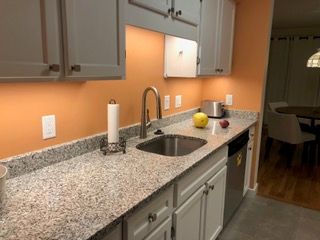
The average 60-year-old needs three times the amount of light to see as a 20-year-old. Therefore, it is critical to have optimal task lighting, or lighting that helps us focus and do better. Lighting kitchen work surfaces helps us to see things clearly and prevents accidents from happening. General “ambient” lighting in our rooms and on stairs can assist us in navigating our way around and prevents us from falling.
Some general rules of thumb:
- Utilize natural daylight in your space but control glare with adjustable window shades.
- Use general ambient light in layers such as indirect cove lighting and wall sconces.
- Arrange table lamps at eye level for reading and intricate work. Install undercabinet lighting in kitchen to illuminate work surfaces.
- Think about using warmer color temperature, dim lighting after dinner to promote a restful night’s sleep.
- Utilize inexpensive occupancy sensor night lights for navigation during the night.
Choose the right light and you will reap the benefits!
Margie McNally of Interior Elements Design is an environmental interior designer and educator specializing in sustainable design and improving the quality of life by enhancing living spaces. Her approach to interior design is a relationship between sustainability, resource efficiency, livability, good indoor environmental quality, and optimal health.
